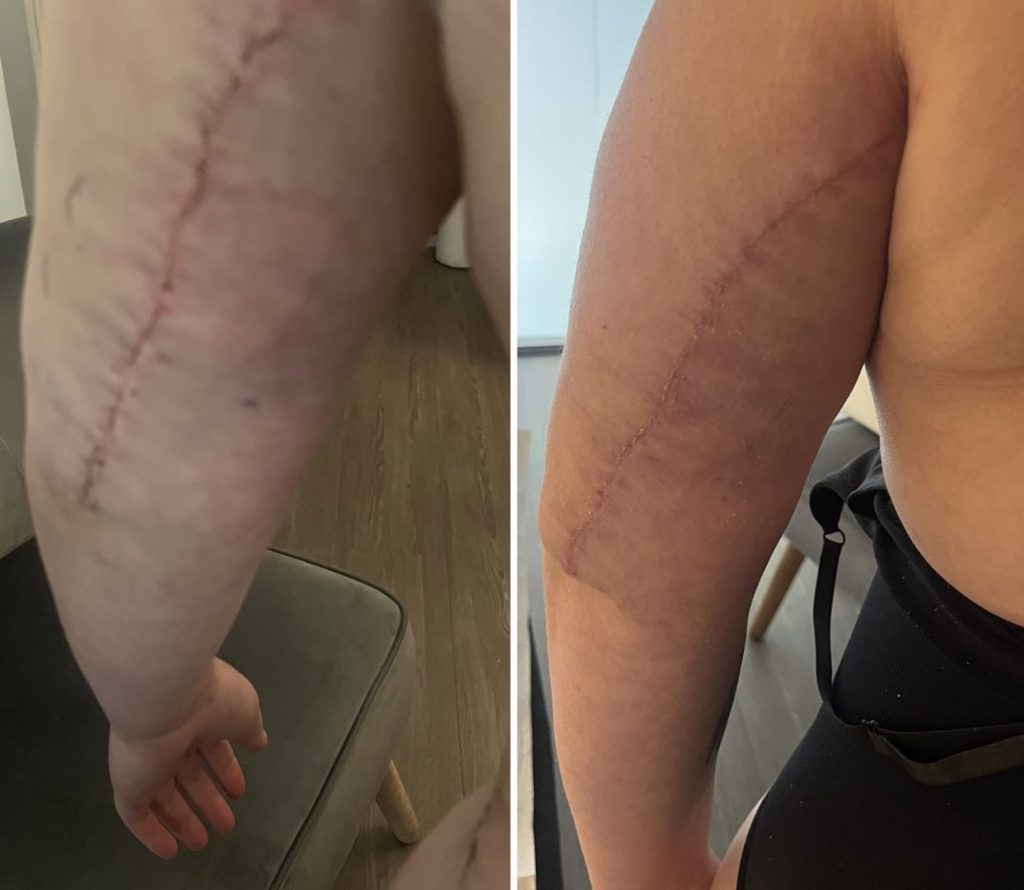
After surgery, it’s completely normal to have questions about what helps your body heal well.
One of the most common things people ask is:
“When should I start lymphatic drainage?”
The answer isn’t one size fits all, but there are some helpful guidelines that can give you clarity and reassurance.
In the early days after surgery
For many procedures, lymphatic drainage can begin within the first few days, often around 3 to 7 days post-op.
This is usually when swelling starts to build, and your body is beginning the healing process.
At this stage, treatment is very gentle.
It’s not about deep pressure or “pushing” anything.
It’s about supporting your lymphatic system to move fluid naturally, reducing congestion and helping your body settle.
That said, it’s always important to follow your surgeon’s advice first, as every procedure and recovery is slightly different.
If you’re a few weeks post-surgery
If you didn’t start lymphatic drainage straight away, don’t worry.
You can still benefit from treatment weeks or even months later.
At this stage, people often notice:
- lingering swelling
- areas that feel firm or tight
- uneven healing
Lymphatic drainage can help to:
- soften tissue
- reduce remaining fluid
- support a more comfortable recovery
It’s never really “too late” — your body will still respond.
What if you leave it too long?
Your body will still heal on its own.
But sometimes, without support, fluid can sit in the tissues longer than necessary.
This can lead to:
- prolonged swelling
- discomfort
- areas of hardness (fibrosis)
Lymphatic drainage helps to encourage movement and flow, which can make the healing process feel easier and more comfortable.
Listening to your body
Everyone’s recovery is different.
Some people feel ready quite quickly.
Others need a bit more time.
Signs your body may benefit from lymphatic drainage include:
- swelling that doesn’t seem to be shifting
- a feeling of heaviness or tightness
- discomfort when moving
- areas that feel firm or lumpy
You don’t need to wait until things feel “bad” — gentle support early on can make a real difference.
A gentle approach matters
After surgery, your body is in a vulnerable state.
Lymphatic drainage should always feel:
- calm
- gentle
- supportive
It’s not about forcing change.
It’s about working with your body as it heals.
Final thoughts
Starting lymphatic drainage at the right time can help your recovery feel smoother and more supported.
For many people, that’s within the first week.
But wherever you are in your healing, it’s okay to begin there.
Your body doesn’t need perfection.
It just responds well to the right kind of care, at the right time.